
Belan Automation’s Core Fully Automatic Busbar Bending Technology Explained
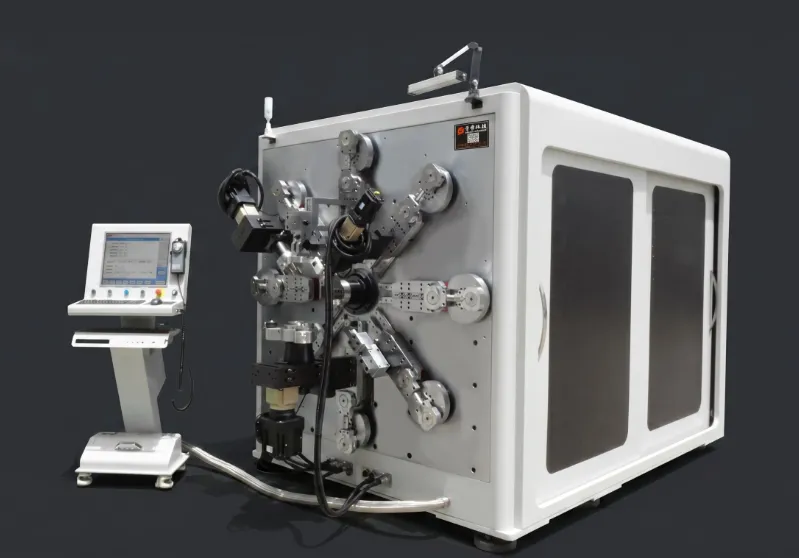
With the rapid growth of new energy vehicles and energy storage systems, copper and aluminum busbars have become critical components for power transmission. Traditional processing methods often suffer from low efficiency, insulation damage, and inconsistent quality. Belan Automation has developed an integrated solution that combines coil feeding, straightening, bending, and cutting into one automated process, helping manufacturers achieve higher productivity and precision.
Challenges of Traditional Busbar Processing
Conventional busbar production typically relies on semi-automatic equipment and manual operations. These methods create several bottlenecks for modern mass production.
Low Production Efficiency
Frequent manual loading, positioning, and adjustment reduce output capacity and increase labor costs.
High Scrap Rate
Traditional roller-feeding systems can scratch or damage insulated surfaces, leading to material waste and quality issues.
Inconsistent Accuracy
Residual stress in coil materials can cause deformation, making it difficult to maintain dimensional consistency and flatness.
Long Changeover Time
Different busbar specifications often require tooling replacement and lengthy machine adjustments.
Three Core Technologies Behind Belan’s Busbar Bending Machine
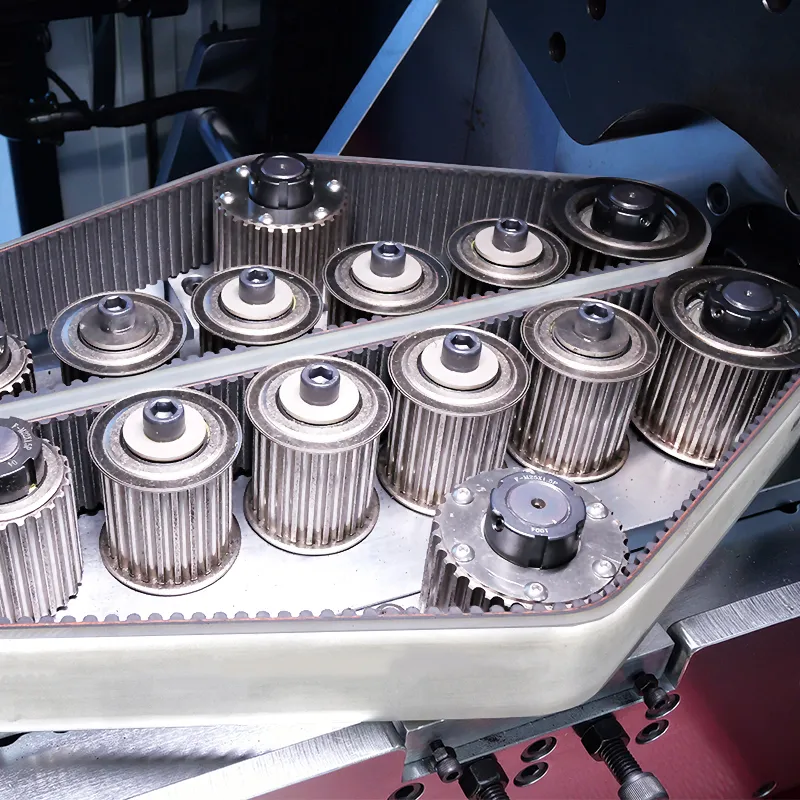
1. Track-Type Feeding Technology
Unlike traditional pinch rollers, Belan’s proprietary track feeding system provides a larger contact area, ensuring stable material transportation without damaging insulated surfaces.
This technology is ideal for powder-coated and insulated busbars, delivering scratch-free and pressure-free processing.
2. 3D Straightening with Closed-Loop Control
The machine utilizes multi-roll straightening units on both X and Y axes to remove internal stress and correct material deformation.
Combined with servo feeding and encoder-based closed-loop control, feeding accuracy reaches 300 mm ±0.1 mm, ensuring stable production quality.
3. 13-Axis Servo Forming System
The fully servo-driven control system enables precise processing of complex busbar shapes, including U-bends, S-bends, vertical bends, and custom geometries.
Bending accuracy reaches 90° ±0.2°, while repeat positioning accuracy is maintained at ±0.01 mm.
Benefits of a Fully Automatic Busbar Bending Machine
Belan’s automated solution significantly reduces labor requirements while increasing productivity and consistency.
Compared with traditional production lines requiring multiple operators, the system can be operated by a single person while delivering 3–5 times higher efficiency.
The machine is widely used in electric vehicles, energy storage systems, electrical distribution cabinets, and industrial power equipment manufacturing.
Frequently Asked Questions
Can the machine process insulated busbars?
Yes. The track-type feeding system prevents surface scratches and coating damage, making it suitable for PVC-coated, powder-coated, and other insulated busbars.
Is product changeover complicated?
No. Different busbar thicknesses and specifications can be accommodated through parameter adjustments without complex tooling replacement, enabling flexible production.
Conclusion
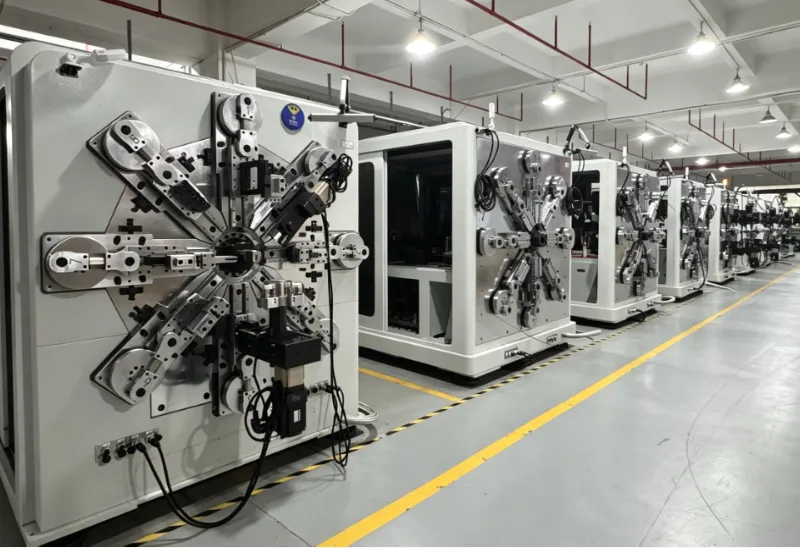
Belan Automation combines track-type feeding, 3D straightening, and multi-axis servo forming technologies into one advanced busbar bending machine. The result is higher efficiency, superior precision, reduced material waste, and greater production flexibility.
For manufacturers in the new energy, energy storage, and electrical equipment industries, Belan’s fully automatic busbar bending machine provides a reliable solution for upgrading production lines and achieving intelligent manufacturing.
 +86-18098256570
  Email
Email

